
Building Materials and Composites Stories
Opening an Envelope
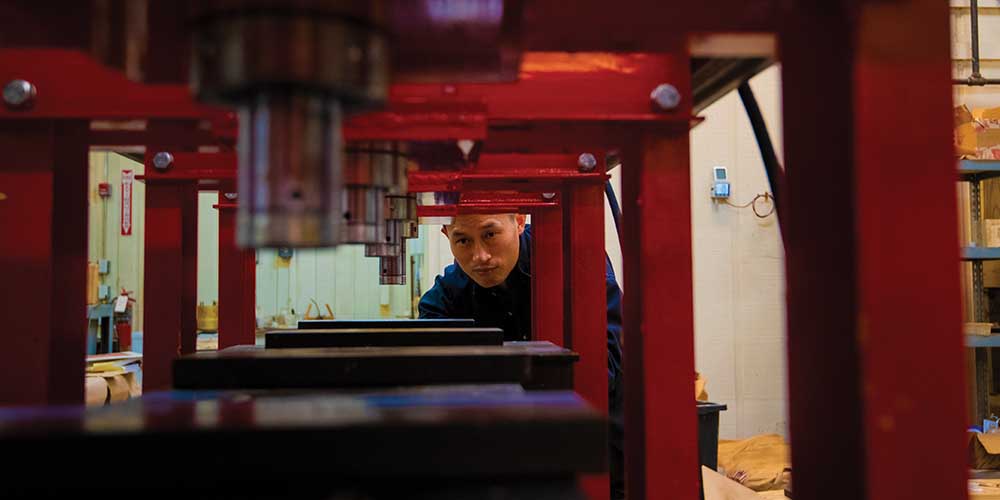
FWRC researchers are studying long-term durability of treated and untreated cross-laminated timber, or CLT, walls. Despite building codes requiring preservative treatments for wood with ground contact, little to no research has been done to test the long-term durability of treated or untreated cross-laminated timber walls. Dr. Hyungsuk “Thomas” Lim, an assistant professor in the Department of Sustainable Bioproducts and researcher in the Forest and Wildlife Research Center, has been working to fill that research gap. Because it is wood, CLT can be a more affordable alternative to masonry, concrete, or steel in the construction of larger buildings. In addition to be a more cost-effective alternative, the use of CLT reduces the carbon footprint of construction while simultaneously contributing to the forestry industry.
“The project is about developing building technology and figuring out the best ways to install these renewable products so that the structure has maximized durability,” Lim said. “CLT is being used in residential, industrial, educational, and civic buildings, as well as many other types of structures. Maximizing the durability of CLT could help expand its applications in the building and construction industry of the Southeast.” This research is funded by the USDA Forest Products Laboratory, with materials provided by Shuqualak Lumber and Henkel Corporation.
2020
Market Barriers
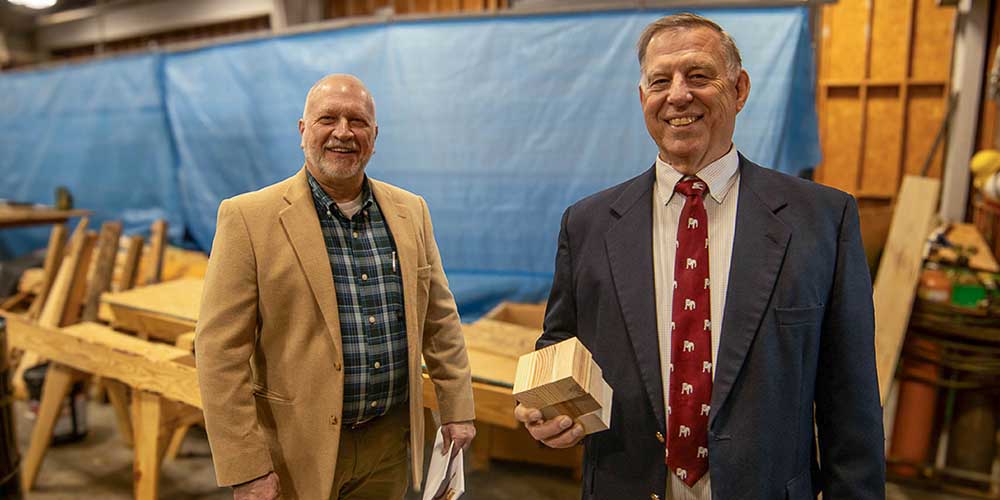
Dr. Dan Seale, a professor in Mississippi State's Forest and Wildlife Research Center, is working to increase the value of undervalued hardwood species like yellow poplar and sweet gum. Through a USDA Forest Service grant, Seale's team has created a database mapping area in the eastern U.S. with high volumes of these species, helping mills locate ideal spots for processing facilities. The goal is to improve the economic value of Mississippi's timberland by finding new uses for these woods. Keith Ward, a doctoral student, is analyzing the suitability of these hardwoods for engineered wood products like I-Joists and structural panels. By developing markets for this timber, the research benefits landowners, mills, and the broader supply chain, creating jobs and boosting the economy.
2023
Using the Resources
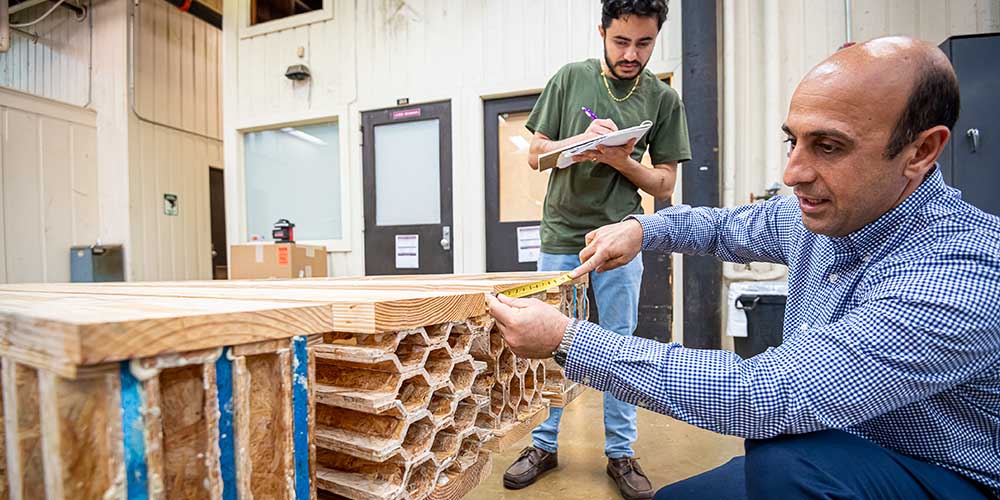
Dr. Mostafa Mohammadabadi, an assistant professor at Mississippi State's Forest and Wildlife Research Center, is researching ways to utilize small-diameter and underutilized materials (SDUs) in forests, which are often left unused due to high transportation costs. By developing products similar to cross-laminated timber (CLT) and glue-laminated timber (glulam), SDUs can be repurposed for construction, reducing wildfire fuel and preventing carbon emissions from burning. These wood products are carbon-negative, as they continue to store carbon even after being cut. This research aims to improve forest health, create a market for SDUs, and support sustainable forest management practices. The project also emphasizes education, inspiring students from diverse disciplines to contribute to creating green solutions in forestry and construction.