
Biofuels, Chemicals, and Energy Stories
Plant-Based Chemicals of the Future
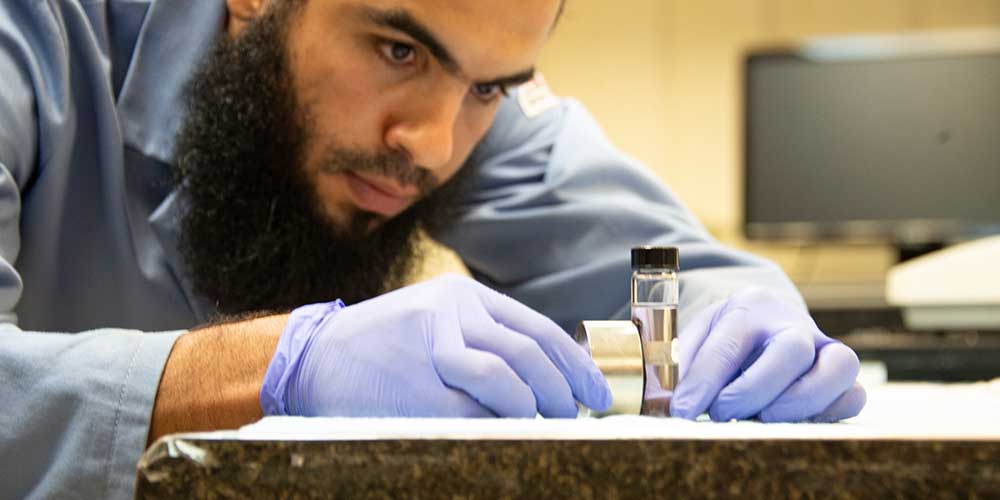
Petroleum, a common fossil fuel, is used to create over 6,000 different products. However, there are issues related to the extended use of petroleum including environmental pollution and global warming. Dr. El Barbary Hassan, a chemist in the Department of Sustainable Bioproducts, and numerous other scientists are looking for a solution, which begins and ends with one of the principal components of fossil fuel creation…trees and woody plants. Hassan and his team are working on developing an effective and inexpensive catalytic process with magnetic properties. The scientists set out to convert cellulose to hydroxymethylfurfurlal, or HMF.
This organic compound is a carbon-neutral feedstock used in the production of fuels and chemicals. While the research is ongoing, Hassan’s team has developed a catalyst that has been used repeatedly without losing any of the necessary properties needed to turn cellulose into chemicals. The catalyst has also demonstrated high yields in the production of important chemical building blocks.
2019
FWRC Scientists Explore Natural Materials for Water Purification
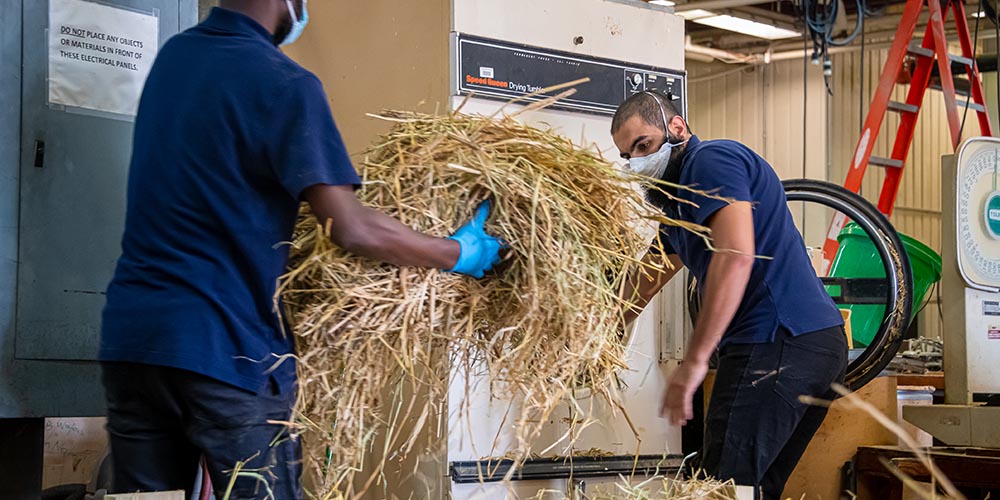
Water treatment plants have always used petrochemical-based filters to remove contaminants from public water sources. However, FWRC scientists are now developing water filtration materials from renewable resources. Dr. El Barbary Hassan, professor in the Department of Sustainable Bioproducts, has led this effort, working with MSU colleagues and the USDA Forest Products Laboratory. The team developed gel-based adsorbents from cellulose, which comes from trees, and chitin, which is derived from shrimp exoskeletons. At the time of the study, Hassan said that most water treatment facilities were still using carbon filters but that some were shifting toward adopting hydrogel and aerogel-based filtering methods because these adsorbents are just as effective at removing contaminants as the carbon-based ones.
Hassan has also planned future studies testing the aerogel adsorbents in air filters and masks to remove dust, bacteria, and viruses from the air.
2021
Improving Alternative Energy Products
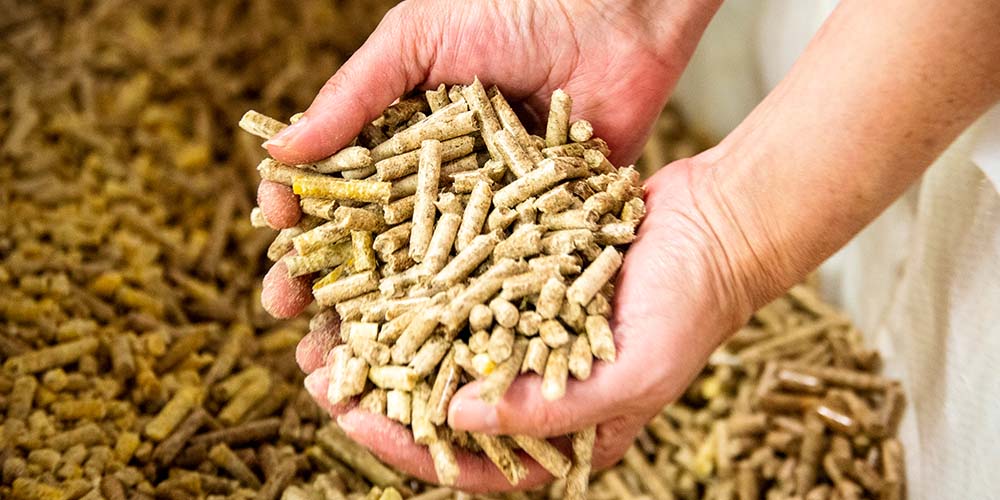
Global interest in pelletized pine as an energy source is growing, and U.S. exports of wood pellets are increasing each year. Partnering with Drax, a U.K.-based renewable energy company, sustainable bioproducts associate professor Dr. Jason Street is working to develop a cost-effective, reliable product that is sturdier in transport and burns cleaner than current products. To decrease the off-gassing from burning, Street and his team tested alternative additives in the pelletizing process in the laboratory. The additives tested, such as bio-char, bio-oil, sweet potato, and vegetable oil, had the added bonus of being recycled waste products. They were also able to reproduce a mill setting at the MSU Pace Seed Lab's industrial-sized mill.
The team had to closely analyze many variables that affect the outcomes, such as the additives used, the moisture content of the pellets, and the pressure and heat applied to the pellets. After three years, the project is beginning to yield positive results. The researchers have found ways to make a better, stronger pellet that burns cleaner and costs less.