
Related Stories
Habitat Stories
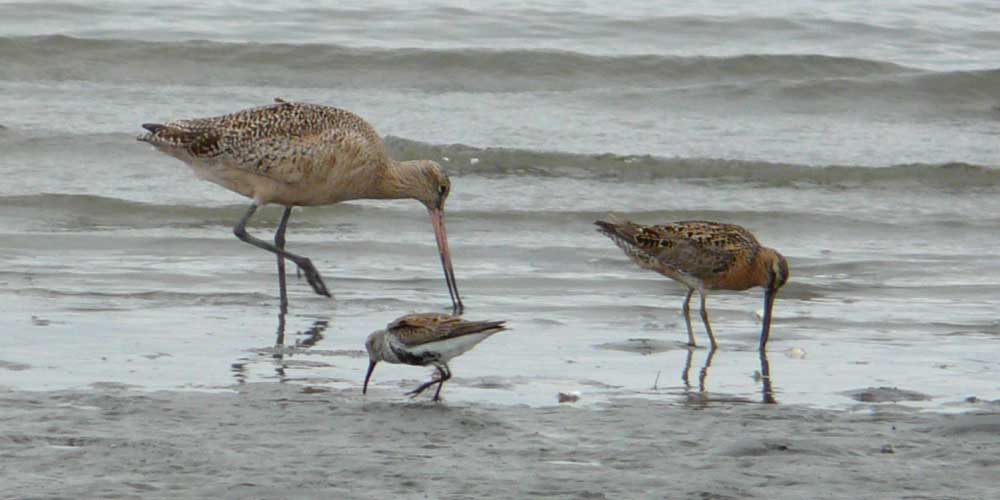
Migratory Birds Find a Temporary Home
After the 2010 oil spill, the U.S. Department of Agriculture Natural Resources Conservation Service started a Migratory Bird Habitat Initiative to help provide inland wetlands for resident and migratory waterbirds. Associate professor and James C. Kennedy Endowed Chair in Waterfowl and Wetland Conservation, Dr. J. Brian Davis, along with Drs. Richard Kaminski, Elizabeth Webb, and graduate students Jessica Tapp and Mathew Weegman began research to evaluate the initiative.
They studied the habitats that were enrolled in the Migratory Bird Habitat Initiative and evaluated which waterbird species used the habitats and how much food was available for the birds. The research extended over a three-to-four-year period where waterfowl, cormorants, egrets, herons, and other birds like grebes were compared in a well-managed habitat for one to three years. Researchers found that there were almost three times more waterbirds collectively on managed wetlands compared to reference wetlands or those that were not aggressively managed.
2018
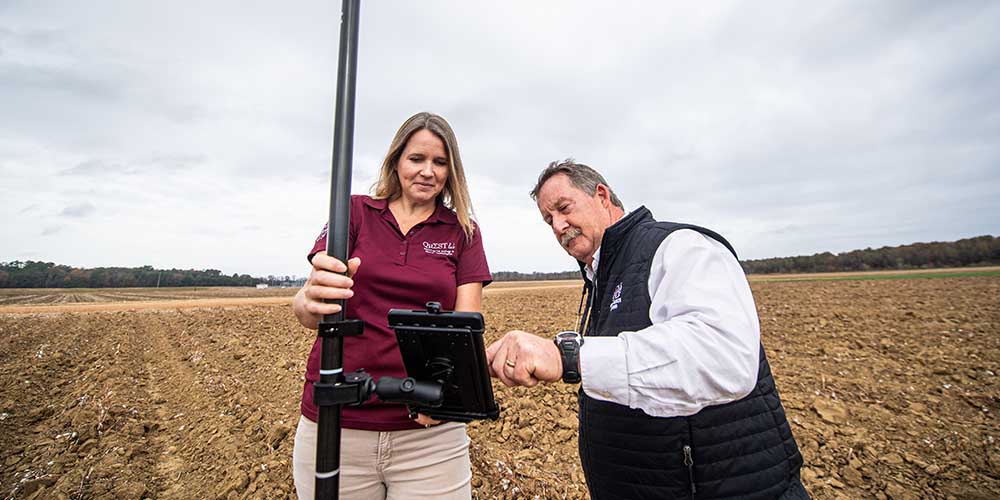
Strategic Conservation
Researchers at Mississippi State's Forest and Wildlife Research Center (FWRC) are developing a web-based tool called the CRP Menu to help farmers explore conservation options in the Farm Bill's Conservation Reserve Program (CRP). The tool allows farmers to create and compare conservation plans based on their goals and eligibility, aiming to simplify the process and provide personalized information. Building on the Strategic Conservation Assessment (SCA) tool, it will be adaptable for different regions and conservation issues. The team is using a social science approach, gathering input from farmers and stakeholders across 12 counties in eight states to shape the tool. After testing in these areas, the goal is to expand it nationally, improving farmer engagement, reducing barriers to participation, and enhancing conservation outcomes.
2023
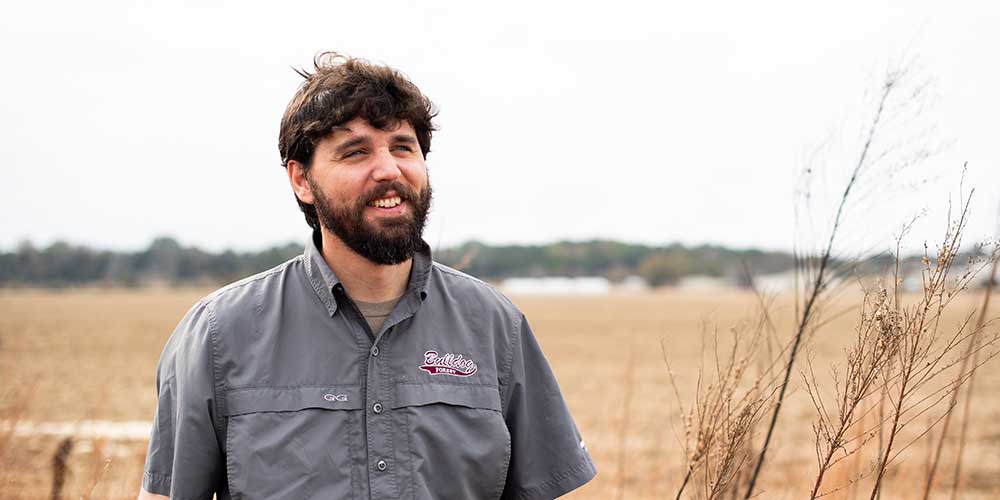
Light a Fire, Save a Bird
Mississippi State's Forest and Wildlife Research Center (FWRC) is studying the impact of prescribed fire on the Bachman's sparrow, a ground-nesting bird whose population has declined due to habitat loss and fire exclusion. Dr. Mark McConnell leads the research, focusing on whether burning during the growing season (as opposed to the traditional dormant season) can help restore the bird's habitat. The study, conducted across 1,800 acres with 15 burn plots, found that a mix of both dormant and growing season burns benefits the sparrow. The team conducted bird surveys and vegetation assessments before and after the burns to understand how fire timing influences ground cover and sparrow populations. Dr. Kristine Evans contributed expertise on the bird's behavior and habitat needs.
The goal is to determine the best fire management strategies to support healthy Bachman's sparrow populations and improve conservation efforts for this species.